D. J. Stanton
April 3RD 2023
Wine harvesting in the
Maule Valley region, Chile


Arrival
We pulled into the gravel driveway just as the afternoon air began to cool. Our host stepped out to meet us, waving a hand in greeting. After quick introductions, we stood together and took in the landscape.
A thick rolling cloud tumbled over the crest of the nearby hills.
Our host pointed toward a cute standalone cottage resting at the edge of the closest vine block. It had a small wooden porch and plain white walls. We grabbed our bags from the car and walked over to the front door. We needed to drop our gear and rest before the real work started...
The Grind of the Harvest
The harvest began in the biting chill of pre-dawn, the ideal cool temperature for preserving the fruit's integrity. Wasps, sluggish but present, hovered around the ancient, gnarled vines of the old vineyard. Across the rows, lines of workers moved with practiced precision, learning the delicate art of taking the rachi while carefully leaving enough leaf cover to ensure next year's health. It was a relentless physical test; over ten intense hours, the team labored through the dust and heat to fill eight massive 500 kg bins, their muscles aching with every heave of the purple-stained harvest.


The Destemming Process
The destemming process is a critical pivot point in our production. Once the tank reaches a desired alcohol level and temperature, we monitor the density closely to determine the exact moment to transition.
After the grapes have undergone their initial maceration and the fermentation has reached a stable peak, we carefully separate the skins and seeds. This is done to prevent the extraction of harsh tannins that can occur if the fruit remains in contact with the stems for too long during the heat of fermentation.
The trailer brings in the chilled must, and we work quickly. Temperature control is paramount; if the must is too warm, the risk of oxidation increases. If it's too cold, the yeast remains dormant. We balance these variables in real-time, relying on both digital sensors and the physical intuition developed over years in the Maule Valley.
Grape Stomping
One of the oldest traditions still practised. Fresh off of a run, the feeling of this grape bin is both soothing and strange. I am told this is pisa de uvas in Spanish.
If you step into the barrel, the initial shock is the temperature. The grapes are chilled from the cool morning air. As your bare feet press down, the skin splits with a distinct popping sensation. It feels like walking across a floor of thick, wet marbles that slowly turn into a dense, sticky slush.
The juice is surprisingly cold, and the heavy sugar immediately binds to your skin, drying into a tight film on your ankles. The footing is incredibly slippery. You have to lock your knees slightly and march in place, finding a steady rhythm while holding onto the sides of the wooden barrel or the shoulders of the person next to you.
The air fills with the sharp, sweet smell of bruised fruit and fermenting yeast. It is exhausting work. Your calves burn within minutes, but the crowd cheers and live folk music plays loudly nearby. It is a messy, grounding, and direct physical connection to the wine itself.


Checking the Vats
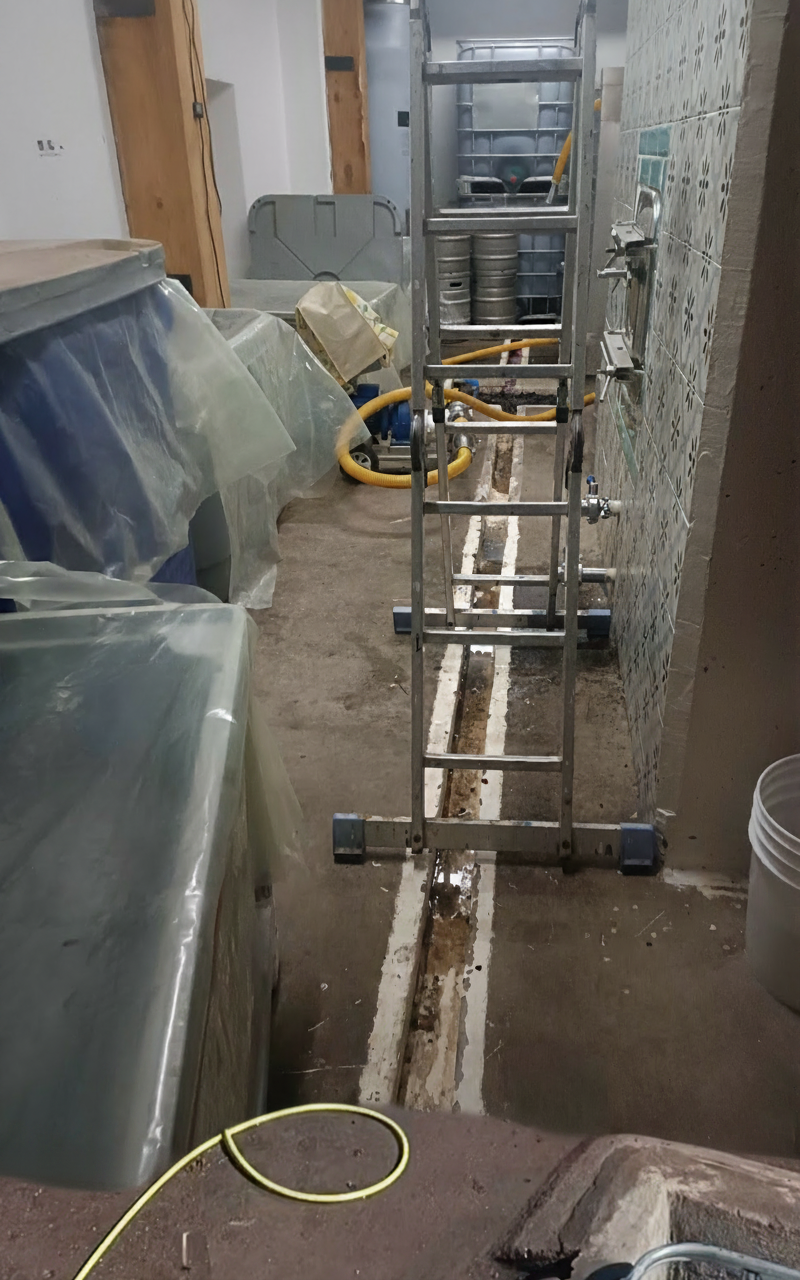
The fermentation process requires constant monitoring. Julia, here, is checking the progress of the wine as it rests in the large vats, ensuring every batch meets the high standards of the Maule Valley tradition.
Julia and I walk the cellar floor. The vats hold our latest harvest from the two hundred year old local vines. We brought in País, Sangiovese, and Cabernet Sauvignon. The physical harvest was simple. The only difficulty is the crushing reality that we have no buyers. Our previous vintages are just sitting in storage.
I climb the ladder and plunge the long digital thermometer into the thick cap of País skins floating at the top. The screen reads 22 degrees Celsius. I check the Sangiovese and the Cabernet Sauvignon vats next. They show the same low temperature. The yeast is sluggish and the tanks are too quiet.
We have to add energy to the mix to get the fermentation moving again. Julia connects the hoses to the bottom valve of the tank to begin a pump over. She cycles the juice from the bottom and sprays it over the top of the floating skins. This physical agitation introduces oxygen, which acts as immediate metabolic energy for the yeast cells. While the liquid churns, I measure out a dose of nitrogen powder and drop it into the vat to feed the microbes.
Once fermentation finished, Julia and I shoveled the dark, wet skins out of the vats and packed them into the mechanical bladder press. As the machine inflated, a heavy stream of thick, deeply colored press wine trickled into the collection basin, which we pumped into oak barrels to age. Months later, when the wine was finally ready, we moved to the bottling line. Because we still lacked large scale buyers, we handled the labeling process entirely by hand. I pulled each finished bottle from the crate while Julia carefully aligned the paper labels against the glass, smoothing out air bubbles with a dry cloth before boxing up the vintage to wait in the back of the cellar.
The Press Process
April 30th 2023
The Good, the Bad and the Ugly

One minute I was picking grapes, and the next I was pulling on a pair of oversized, borrowed goalkeeping gloves on a sun-baked, rock-hard pitch in rural Chile. Thrust into a high-stakes, 11-a-side match with a local men’s team on an empty stomach and a pre-match Corona courtesy of the boss, I stood a head taller than everyone else amid a crowd of a thousand roaring fans. The air smelled thick of Deep Heat, cheap beer, and impending regret as I wondered how a decade away from my semi-professional days in Malta had landed me here.
The game kicked off with ruthless intensity, and the opposing team immediately launched a relentless assault. Fueled by a bizarre hydration protocol that saw the manager hand me a second and then a third Corona at halftime, my rusty reflexes went into overdrive. I threw myself across the dust, racking up crucial saves and cross collections while shouting "Muchachos!" alongside a heavy rotation of Spanish swear words. We somehow survived the onslaught, keeping the scoreboard locked at zero through sheer panic and liquid confidence.
The climax arrived in the second half. I soared to claim a high cross, narrowly avoiding a manslaughter charge by punching the ball instead of a teammate's head, and launched a precise half-volley drop-kick downfield. That single spark ignited our only cohesive play of the match, ending in a stunning, against-the-odds 1-0 victory. When the final whistle blew, I stood covered in dust and booze, having secured a legendary clean sheet, four beers during the match, and a cult following among the ecstatic locals. As the manager offered me a sixth Corona and asked me back for next Sunday, Julia wisely stepped in, sealing a bizarre, triumphant afternoon with five beers and a reluctant retirement.
Post Holes and Petrol Engines
May 1st 2023


Arrival
Arriving at the farm felt like stepping straight into a dystopian film amid a thick haze of smoke and controlled burns, where our host greeted us before unlocking our new accommodation: not that it needed unlocking! It was a rustic shack with no running water and plenty of venomous spiders, redeemed only by two playful kittens...
After getting our bearings and meeting the local crew, our initiation involved oiling the towering barn walls with noxious chemicals using a tall ladder and zero safety gear and scrubbing our reeking clothes in an icy water tub while adjusting to the stark reality of our new life. The haze gave way the next morning to this beautiful view of two adjacent volcanoes on the Chilean / Argentine border off into the distance.
Sheep pen
That grueling introduction soon led us to our next major project at the rustic sheep pen, where a hardy flock awaited an expanded home for the winter. Armed with iron shovels and rusted picks, we spent six back-breaking hours clearing a compacted mound of dirt to level the ground. Just as our arms began to ache, the host reappeared with a petrol-driven auger to drill deep post holes, and wielding that roaring, vibrating machine felt like an addictive mechanical high as we forced the spinning bit into the rock-hard earth beneath the volcanoes.

The Holes

Surviving the auger apparently qualified us for heavy machinery, because the next brilliant task involved trimming wooden posts with a vintage Stihl chainsaw without a single piece of protective gear, relying entirely on a frantic five-minute YouTube tutorial....
The Final Build

After miraculously keeping all my fingers attached and hacking the timber at a vaguely acceptable angle, we bolted together a salvaged iron framework with an impact driver that felt way too fun to legally operate. Ten days of sweat, primitive engineering, and sheer stubbornness culminated in a fully functional roof that somehow stayed upright, leaving us standing back to admire our handcrafted disaster amid the glorious chaos of rural life.
